A website redesign is more than a visual refresh. It is an opportunity to improve structure, usability, performance, and how well a website supports business goals. As user expectations evolve and technology changes, websites that once performed well can quickly feel outdated or inefficient.
This web redesign guide explores what it takes to build modern, high-performing websites. It covers how to recognize when a redesign is needed, how to plan the process, and how structure, responsiveness, and user experience work together. With the right approach, a redesign can create clearer navigation, stronger engagement, and a website that performs better for both users and businesses.
Website redesign means improving an existing website to make it more effective, usable, and aligned with current goals. It goes beyond changing colors or layout and focuses on structure, content, user experience, and performance. A redesign may involve updating navigation, refining content, improving responsiveness, or enhancing visual clarity.
The purpose of website redesign is to create a better experience for users while supporting business objectives. It addresses issues such as outdated design, poor usability, or low conversions. When done properly, website redesign helps a site feel modern, easier to use, and more relevant to both users and search engines.
Website redesign plays a critical role in how businesses attract, engage, and convert users. When a site evolves with user expectations, it becomes a growth asset rather than a limitation.
First impressions strongly influence buying decisions and brand perception. An outdated website can create doubt, even if the business itself is trustworthy. Redesigning improves visual clarity, consistency, and messaging, helping visitors quickly understand who you are and what you offer. Clean layouts, modern typography, and clear structure signal professionalism without saying a word. When users feel confident early, they are more willing to explore, read, and engage. This trust directly supports growth by reducing bounce rates and increasing the likelihood that visitors continue their journey instead of leaving immediately. Over time, these positive first experiences shape brand memory and influence return visits, recommendations, and long-term customer relationships across channels and competitive markets worldwide today.
User experience determines how easily visitors navigate, understand content, and complete tasks. As websites grow, structure often becomes cluttered and confusing. Redesigning allows businesses to reorganize navigation, simplify journeys, and remove friction. Clear menus, logical page flow, and improved readability help users move naturally without effort. When interactions feel smooth, users stay longer and explore deeper. Engagement increases because users are not distracted by confusion or frustration. This improved experience strengthens emotional connection and makes the website feel supportive rather than demanding. Over time, better engagement improves satisfaction, repeat usage, and the likelihood that users choose your business over competitors when comparing options online in crowded digital spaces during their decision-making process today globally.
A redesign provides a chance to rethink how conversions happen. Old websites often bury calls to action or overwhelm users with choices. Through redesign, content, layout, and messaging can align with user intent. Forms become shorter, steps become clearer, and actions feel easier. When users understand what to do next, hesitation drops. Conversions improve not because of pressure, but because the experience makes sense. Clear pathways help visitors move from interest to action naturally and confidently. This alignment reduces friction, supports decision-making, and turns existing traffic into measurable business outcomes without relying on aggressive tactics that often damage trust and long-term brand perception across different industries markets and customer segments online today worldwide consistently.
Search visibility and performance are closely tied to structure and usability. Many older websites struggle with slow speed, poor mobile experience, and weak information architecture. Redesigning helps fix these issues by improving responsiveness, page structure, and technical health. Search engines favor websites that load fast and are easy to navigate. Better structure also helps users find content quickly. As visibility improves, more qualified users arrive. This creates growth opportunities by attracting traffic that is more likely to convert and engage. Over time, stronger visibility reduces dependence on paid channels and builds a sustainable flow of organic demand that supports long-term acquisition goals and marketing efficiency across evolving digital ecosystems worldwide today consistently for brands.
A redesigned website creates a foundation for future growth. As businesses add services, content, or features, structure must support expansion. Without redesign, updates often create clutter and inconsistency. Redesigning establishes flexible layouts, clear hierarchy, and reusable components. This makes future changes easier and less expensive. Teams can evolve the site without breaking usability. A scalable website supports growth by adapting to new goals while maintaining clarity for users. This stability protects long-term investments, reduces redesign frequency, and allows the website to grow alongside the business without disruption as strategies change, markets shift, and customer expectations continue evolving over time across different regions industries platforms technologies globally today consistently for sustainable success growth long-term planning.
An outdated website can quietly hurt credibility, conversions, and growth. Even if traffic is steady, poor experience signals can push users away before they take action.
One of the clearest signs of an outdated website is visual design that feels stuck in the past. This includes cluttered layouts, heavy gradients, outdated fonts, or inconsistent colors and spacing. When design elements do not feel cohesive, users may question the professionalism of the business. Modern users expect clean, readable, and balanced interfaces. If the website does not visually align with current standards, trust drops quickly, often within seconds of landing on the page.
If a website is difficult to use on mobile devices, it is already outdated. Text that is too small, buttons that are hard to tap, or layouts that break on smaller screens create frustration. Today, many users visit websites primarily on mobile. A site that does not adapt smoothly to different screen sizes signals neglect and limits engagement. Poor mobile experience often leads to high bounce rates and lost opportunities.
Speed is a major expectation for modern websites. Outdated sites often suffer from slow loading, unoptimized images, or inefficient code. Users rarely wait for slow pages to load and are quick to leave if performance feels sluggish. Slow websites also negatively affect search visibility. Performance issues are a strong sign that the site needs technical and structural improvement.
Over time, websites often grow without a clear structure. New pages are added, menus expand, and content becomes harder to find. When users struggle to navigate or understand where information lives, the experience feels outdated. Clear structure and logical navigation are now standard expectations. Confusing pathways signal that the website no longer reflects how users think or search for information.
An outdated website often fails to support what the business is trying to achieve today. Messaging may be unclear, calls to action may be weak, or content may no longer reflect current services. If the website does not guide users toward meaningful actions, it limits growth. When a site no longer aligns with business goals or user intent, redesign becomes a strategic necessity rather than a visual choice.
Choosing between a website redesign and a completely new website is a strategic decision that affects budget, timelines, performance, and long-term growth. The right choice depends on your current website, business goals, technical foundation, and how well the existing site supports user needs today.
A website redesign is the right option when the core structure and content still serve the business, but the experience feels outdated. If navigation is confusing, conversions are dropping, or the visual design no longer reflects the brand, redesigning can solve these issues without starting from scratch. This approach saves time and cost while improving usability, responsiveness, and clarity. Redesigns work best when the platform is stable and the problems are experience-related rather than structural.
A new website is the better choice when the existing site has deep technical limitations or no longer supports business direction. Outdated technology, poor performance, lack of scalability, or major content gaps often signal the need for a fresh start. If your business has changed significantly, a new website allows structure, messaging, and functionality to align fully with current goals. Building new avoids patching old problems and creates a stronger foundation for growth.
Budget and timeline often influence the decision. Redesigns are usually faster and less expensive, especially when existing systems can be reused. New websites require more planning, development, and testing, but reduce long-term risk if the current setup is fragile. Evaluating risk means asking how much technical debt exists and whether fixing it is worth the effort. Clear priorities help avoid wasted investment.
The final decision should center on users and future needs. If users struggle to complete tasks, both redesign and rebuild can help, but the scale of change matters. Redesigning improves journeys when foundations are solid. A new website supports expansion, new features, and evolving expectations without compromise. Choosing correctly prevents repeated redesigns and ensures the website remains effective as the business grows. Taking time to assess these factors carefully leads to smarter decisions and better results.
Whether redesigning or rebuilding, the goal is a website that supports users, performs reliably, and adapts as the business evolves. A thoughtful decision today reduces future rework and creates confidence across marketing, sales, and customer touchpoints. This clarity helps teams move forward with purpose, focus, and measurable outcomes over time without unnecessary disruption or uncertainty during digital growth initiatives across competitive markets and changing user expectations worldwide today consistently.
A clear website redesign project plan keeps teams aligned, reduces delays, and ensures every decision supports user needs, business goals, and long-term performance across design, development, content, and launch stages.
Every redesign should start with clarity. This step focuses on defining why the redesign is happening and what success looks like. Goals may include improving conversions, updating brand presence, fixing usability issues, or supporting new services. Clear success criteria help teams avoid scope creep and subjective decisions later. When goals are documented early, every design and content choice can be evaluated against them, keeping the project focused and measurable from start to finish.
Before redesigning, the current website must be fully reviewed. A website audit examines structure, content, performance, SEO, and user experience. This step identifies what is working, what is outdated, and what should be removed or improved. Audits prevent repeating old mistakes and protect valuable assets like high-performing pages. Understanding the current state creates a strong foundation for planning meaningful improvements instead of guessing.
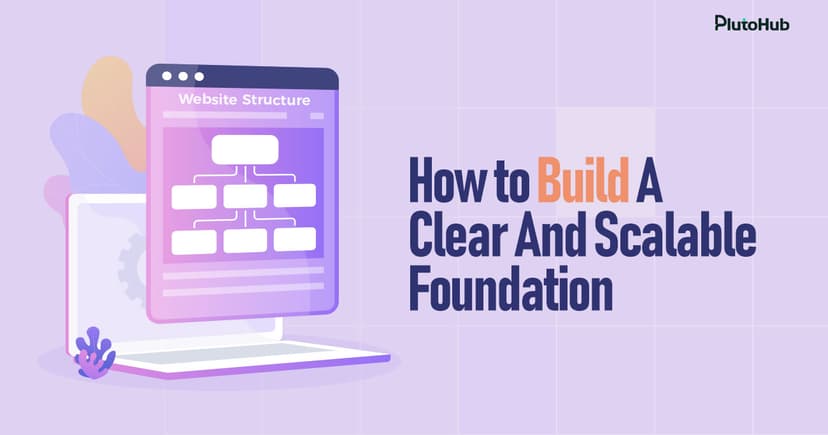
Once insights are gathered, the next step is planning the new structure. This includes defining information architecture, navigation, and content hierarchy. Pages are mapped based on user intent and business priorities. Content planning ensures messaging is clear, consistent, and aligned with goals. Strong structure at this stage reduces confusion later and makes design and development more efficient and purposeful.
Design and development bring the plan to life. Designers focus on usability, visual clarity, and responsive layouts, while developers ensure performance, accessibility, and technical stability. Collaboration is critical during this phase to prevent disconnects between design and functionality. Iteration and testing help catch issues early. This step turns strategy into a usable, high-performing website experience.
Before launch, the website must be tested across devices, browsers, and user scenarios. Testing ensures navigation, forms, performance, and content work as expected. After launch, monitoring user behavior and performance metrics helps identify improvements. Optimization continues beyond launch, ensuring the redesigned website evolves with user needs and business growth.
A clear website structure helps users understand where they are, what they can do, and how to reach their goals without confusion. Strong structure supports usability, performance, and long-term growth.
Website structure should begin with understanding why users visit. Users arrive with specific goals, such as learning, comparing, or taking action. Organizing pages around these goals makes navigation feel natural. When structure reflects user intent instead of internal departments, visitors move with confidence. Clear alignment between user needs and page organization reduces frustration and keeps people engaged longer.
Content should be grouped in a way that makes sense at a glance. Related pages belong together, while unrelated topics should remain clearly separate. Logical categorization helps users predict where information lives. This reduces searching and guessing. Simple, meaningful groupings also make future content easier to add without breaking clarity or consistency.
Navigation is the visible layer of structure. Menus should be easy to scan and labels should clearly describe what users will find. Avoid overcrowded menus with too many options. Predictable navigation helps users build confidence as they move through the site. When users always know how to move forward or go back, the experience feels controlled and trustworthy.
Hierarchy helps users understand importance. Primary pages should stand out, while supporting pages remain accessible without competing for attention. Headings, layout, and spacing reinforce this hierarchy visually. A clear hierarchy also helps search engines understand relationships between pages. When hierarchy is strong, users can scan, decide, and act more easily.
Websites evolve over time. A strong structure allows new pages, services, or content to be added without creating clutter. Flexible hierarchies and consistent patterns support scalability. Planning for growth prevents frequent restructuring and reduces long-term maintenance costs. A scalable foundation ensures the website remains clear and usable as business needs expand.
Responsive design ensures websites adapt seamlessly across devices, screens, and contexts. It directly affects usability, performance, engagement, accessibility, and long-term success for modern businesses competing in mobile-first digital environments today.
Modern users expect websites to work effortlessly on phones and tablets. Responsive design adjusts layout, text size, spacing, and interactions to fit smaller screens without friction. Buttons become easier to tap, content becomes readable without zooming, and navigation stays usable. When users feel comfortable interacting on mobile, they stay longer and complete tasks more easily. This comfort reduces frustration, lowers bounce rates, and supports consistent experiences regardless of how or where users access the website across multiple devices and changing usage contexts daily globally.
Responsive design encourages efficient layouts and optimized assets. Images scale correctly, unnecessary elements are removed on smaller screens, and code remains cleaner. Faster loading improves user satisfaction and reduces abandonment. Performance also influences search visibility, as speed is a ranking factor. When pages load quickly on mobile networks, users trust the site more and are willing to explore further. Strong performance ensures responsive design supports both experience quality and measurable business outcomes while reducing infrastructure strain during traffic spikes and peak usage periods online.
Responsive design plays a key role in accessibility. Flexible layouts, readable text, and adaptable interactions help users with different abilities, devices, and environments. Responsive sites work better with screen readers, zoom settings, and assistive tools. They also support users in low-light, noisy, or on-the-go situations. By adapting to context, responsive design creates inclusive experiences that serve a wider audience without adding complexity or separate versions of the website which strengthens usability, compliance, reach, trust, and long-term digital sustainability for diverse global user groups worldwide.
Search engines favor websites that deliver consistent experiences across devices. Responsive design avoids duplicate content issues by using a single URL structure. Clear hierarchy, readable layouts, and fast performance improve crawling and indexing. When users engage more and bounce less, search signals improve naturally. Responsive websites also make content easier to share and link, helping visibility grow organically over time. This alignment supports sustainable traffic growth without relying solely on paid acquisition strategies across competitive industries, markets, platforms, regions, audiences, and evolving search ecosystems.
Responsive design helps maintain a consistent brand experience everywhere. Visual identity, tone, and interaction patterns remain familiar across screens. This consistency builds trust and recognition over time. As businesses expand content, features, or markets, responsive frameworks prevent fragmentation. Teams can update once and deploy everywhere. This scalability reduces maintenance cost, speeds iteration, and ensures the website supports growth without breaking user experience while aligning design systems, development workflows, and marketing efforts across channels globally, sustainably, efficiently, long-term, without duplication, confusion, rework, delays, waste, risks.
Website redesign is not only about changing how a site looks. UX and UI decisions shape how users understand, navigate, and interact with the new experience. Getting these considerations right ensures the redesign improves results, not just appearance.
During redesign, it is tempting to change everything. However, users rely on familiar patterns to navigate confidently. UX consideration means identifying what already works and keeping it consistent. Navigation logic, common actions, and page flow should feel familiar, even if visuals are refreshed. Preserving known patterns reduces confusion and prevents users from feeling lost after launch.
UI design should guide users naturally through content. Headings, spacing, contrast, and layout help users scan pages and understand priorities. During redesign, visual hierarchy must be intentional so important messages and actions stand out. Poor hierarchy can hide key information or overwhelm users. Clear hierarchy supports faster understanding and better decision-making.
UX decisions should be driven by real user journeys, not internal assumptions. Redesign is the right time to map how users move from entry points to goals. Interfaces should support these paths with minimal friction. When journeys feel smooth and logical, users complete tasks more easily and experience less frustration.
Accessibility must be considered throughout redesign, not added later. UI choices such as color contrast, font size, and interactive states affect usability for all users. UX considerations include keyboard navigation, readable content, and clear feedback. Designing for accessibility improves overall experience and prevents exclusion.
Consistency builds trust and confidence. UI elements, interactions, and layouts should behave the same across the site. During redesign, creating design systems or style guidelines helps maintain this consistency. When users know what to expect, interactions feel predictable and reliable, supporting long-term engagement.
Website redesign can improve performance, but common mistakes often reduce usability, waste budget, and frustrate users. Avoiding these errors helps teams deliver clearer experiences and stronger results for modern businesses.
One of the biggest redesign mistakes is starting without clear goals. When teams focus only on visuals, decisions become subjective and scattered. Without defined objectives, it is difficult to measure success or prioritize features. Clear goals align redesign efforts with user needs and business outcomes. They guide structure, content, and design decisions throughout the process. Without this clarity, projects often expand unnecessarily, timelines slip, and results fail to improve usability or performance in meaningful ways for users and internal teams alike.
Redesigning without understanding current user behavior often leads to poor decisions. Analytics, heatmaps, and feedback reveal how users actually interact with a site. Ignoring this data risks removing features users rely on or changing flows that already work well. Users build habits over time, and sudden changes can create confusion. A successful redesign respects existing behavior while improving weak points. Overlooking real usage patterns often causes frustration, drop-offs, and resistance after launch.
Trying to add everything at once is a common redesign mistake. New features, messages, and visuals often compete for attention, creating clutter. Overloaded pages increase cognitive load and make it harder for users to focus or act. Simplicity improves clarity and usability. Every element should support a clear purpose. Removing unnecessary content and prioritizing key actions helps users move confidently through the site instead of feeling overwhelmed or distracted during important decision moments.
Many redesigns still prioritize desktop experiences, ignoring mobile and accessibility needs. This creates major usability issues for a large portion of users. Small text, poor contrast, and hard-to-tap elements frustrate mobile visitors. Accessibility gaps also exclude users with different abilities. Designing for mobile and accessibility from the start ensures experiences work for everyone. Ignoring these considerations limits reach, damages trust, and negatively affects search performance and engagement.
Skipping testing is a costly redesign mistake. Even well-designed sites can fail if issues go unnoticed. Broken links, confusing flows, slow pages, and form errors often appear after launch. Testing across devices, browsers, and real user scenarios helps catch these problems early. User testing provides valuable feedback that internal teams may miss. Launching without validation risks poor first impressions and requires reactive fixes that cost more time and resources later.
Web redesign is not just a visual upgrade. When done strategically, it improves how search engines read a website, how users take action, and how efficiently the site performs across devices and platforms.
A well-planned redesign improves how search engines crawl and understand a website. Clean structure, clear page hierarchy, and improved internal linking help search engines index content more effectively. Redesign also allows teams to fix technical issues such as broken links, duplicate pages, and poor URL structure. When pages are easier to crawl and understand, rankings become more stable and visibility improves. Better structure also ensures important pages receive proper attention instead of being buried deep in the site.
Redesigning a website gives an opportunity to align content with real search intent. Pages can be reorganized around clear topics instead of scattered information. Headings, page flow, and supporting content become more focused and relevant. This improves keyword alignment naturally without stuffing. When content is structured clearly, both users and search engines understand page purpose faster. Improved relevance leads to higher-quality traffic and better engagement from users who are actively searching for solutions.
Conversions improve when users know what to do next. Web redesign helps simplify user journeys by removing unnecessary steps, improving calls to action, and aligning layout with intent. Forms become easier to complete, messaging becomes clearer, and distractions are reduced. When users feel guided instead of confused, they act more confidently. Conversion improvement is not about pushing users harder, but about making actions feel obvious and effortless throughout the experience.
Performance plays a major role in both SEO and user satisfaction. Redesign allows optimization of images, code, and layouts to improve loading speed. Faster websites reduce bounce rates and keep users engaged. Search engines also favor sites that load quickly, especially on mobile devices. Improved performance ensures users are not lost due to delays or broken interactions. Speed improvements benefit every part of the experience, from first visit to conversion.
A redesigned website creates a stronger foundation for growth. Clear structure, responsive layouts, and consistent design systems make future updates easier. As content and features grow, performance and usability remain stable. This prevents the gradual decline that often happens with poorly structured websites. Long-term scalability ensures SEO gains, conversion improvements, and performance benefits are maintained over time without repeated rework or major disruptions.
Web redesign improves SEO, conversion, and performance by aligning structure, content, and experience with modern expectations and long-term business goals.
Plutohub approaches website redesign as a strategic process, not just a visual refresh. Every project starts with understanding business goals, user needs, and current performance data. This helps define clear objectives and prevents redesign decisions based on assumptions or trends.
The team reviews existing structure, content, UX, and technical performance to identify what works and what needs improvement. From there, Plutohub focuses on building clear information architecture, intuitive user journeys, and responsive layouts that support real user behavior. Design and development move together to ensure usability, performance, and consistency across devices.
Research, testing, and iteration are built into the process, allowing ideas to be validated before launch. By combining strategy, UX, UI, and performance optimization, Plutohub delivers redesigned websites that are scalable, user-friendly, and aligned with long-term business growth.
The timeline depends on scope and complexity. A simple redesign may take a few weeks, while larger websites with complex structure and content can take several months. Clear planning helps avoid delays.
A redesign can impact SEO if not handled carefully. Proper redirects, preserved URLs, improved structure, and performance optimization help protect rankings and often lead to long-term SEO improvements.
Not always, but a redesign is a good opportunity to review content. Updating unclear, outdated, or underperforming content improves clarity, engagement, and alignment with user intent.
Yes, most redesigns are done on staging environments. This allows development and testing without affecting the live site. Launch happens only when everything is ready.
Yes, mobile usage dominates modern web traffic. Redesigning without mobile-first thinking leads to poor experience, lower engagement, and weaker search performance.
Success is measured through usability improvements, engagement metrics, conversion rates, performance, and user feedback. Comparing data before and after launch helps validate redesign impact.








Mahamudul Kabir
Leave a Reply