 Sakib Al Hasan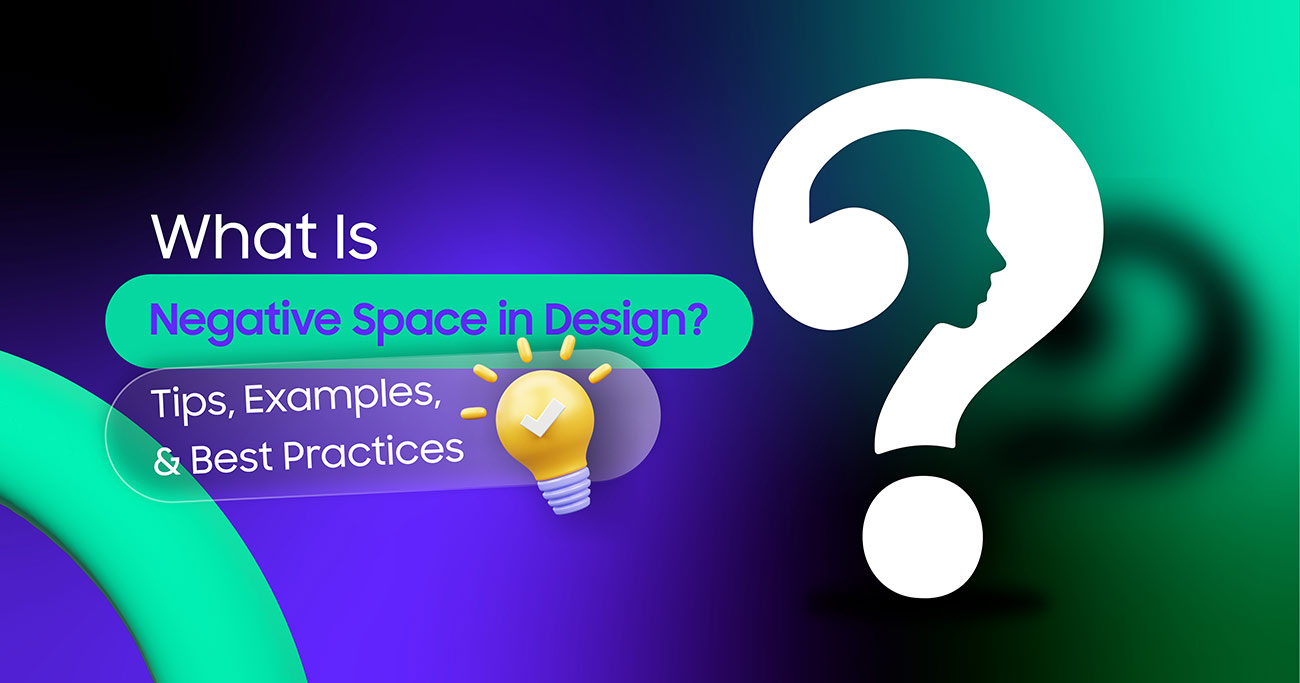
Design is not only about the shapes, colors, or text you see. It is also about the space that surrounds them. Negative space, often confused with simple white space, is a powerful design tool that can make visuals clearer, more engaging, and easier to understand.
It is the empty area that balances positive elements and helps guide the viewer’s focus. When used effectively, negative space improves readability, adds elegance, and brings meaning to designs. From logos to websites and even photography, this design principle plays a big role in creating harmony.
In this blog, we will explore what negative space is, why it matters, and how to use it with practical tips and inspiring examples.
Negative space in design is the empty area around or between the main parts of a layout. It is not just blank space but a tool that makes a design look clear and balanced. It helps the eyes rest and makes important elements stand out.
For example, the space between letters in text or the open areas around a logo are forms of negative space. Designers use it to guide attention, improve readability, and keep the layout clean.
Studies show that good spacing can improve understanding by almost 20 percent. Negative space is not wasted; it is active and helps create better focus in any design.
Many people mix up white space and negative space, but they are not exactly the same. Both deal with the empty parts of design, yet they work in slightly different ways.
White space is the blank area that surrounds content. It can be any color, not just white. Think of it as breathing room for text, images, and buttons. It makes designs look neat and easy to read.
Negative space is the empty area that defines and highlights positive elements. It can even create hidden shapes or symbols. A famous example is the FedEx logo, where the gap between letters forms an arrow.
Designs with enough white space look clean and organized. Without it, everything feels crowded and hard to follow. By leaving the right amount of blank space, a design looks professional and gives the eye a clear path to follow.
Negative space is more than background. It is an active tool that guides attention toward the most important details. By shaping how viewers see content, it tells them where to look first and what matters most.
White space and negative space are closely connected. White space ensures comfort and clarity, while negative space adds meaning and direction. Together, they create balance and harmony. Great designs always use both to make content stand out.
Negative space is not empty. It is a design tool that makes content clear and balanced. Without it, layouts feel crowded. With it, designs look professional, readable, and easy to enjoy.
Negative space makes reading easier. When text has proper spacing, the eyes do not feel tired. Studies show good spacing can improve reading speed and understanding by almost 20 percent.
Designers use it to keep content clear and simple. A block of text without enough spacing feels heavy. With negative space, each line and paragraph becomes comfortable to follow. This is why newspapers, books, and websites all use space to support better reading.
A design filled with too many elements looks messy. Negative space balances what is on the page. It separates different sections and makes the layout feel organized.
Balance helps the brain process information faster. Visitors quickly understand where to look and what matters most. Without balance, the eye jumps around and feels lost. With balance, the design feels natural and calm. This balance makes the overall message stronger.
Negative space works like a spotlight. It pushes attention toward the most important part of the design. A product photo surrounded by space feels more powerful.
A call-to-action button with open space around it stands out better. Without space, the main message can get lost in the noise. By keeping room around key elements, designers guide visitors naturally toward what they should notice.
Design does not always need to be filled with graphics or colors. Sometimes the most powerful designs are the simplest ones. Negative space adds elegance by keeping things clean and uncluttered.
Many luxury brands use more space in their layouts. This makes the brand feel modern, stylish, and confident. Simplicity also creates a calm experience for the user. Too many details overwhelm, but simplicity built with space feels smart and timeless.
Negative space can do more than separate. It can create shapes, symbols, or illusions. Many logos use this technique. For example, the FedEx logo uses the space between letters to form an arrow.
This hidden design adds personality and makes the logo memorable. It shows how space can carry meaning even though it looks empty. Creative use of negative space makes a design clever and unique, something people remember.
User experience is about how comfortable and enjoyable a design feels. Negative space improves this by keeping layouts simple and guiding the user smoothly. A website with proper spacing loads faster and feels easier to use.
Navigation becomes clear when menus and buttons are not crowded. Visitors do not need to search hard for information. Instead, they move naturally through the content. Good use of space makes the journey effortless, which improves trust and satisfaction.
A cluttered design feels rushed and unpolished. Negative space brings professionalism. It shows that the design was carefully thought out. Agencies, brands, and businesses that use space wisely appear more reliable.
Clean layouts make clients trust the quality of the work. In presentations, websites, or ads, the right amount of space adds authority. It proves the designer knows how to control balance and focus. This simple choice can change how people see the brand.
Negative space comes in different forms. Designers use it in both small and large ways to create balance and focus. The two main types are micro negative space and macro negative space.
Micro negative space is the small spacing found in the fine details of design. It appears between letters, words, and lines of text. It also shows up in icons, shapes, and other tiny elements. This type of space may seem minor, but it has a big effect on readability.
For example, proper line spacing in paragraphs makes reading smoother and reduces eye strain. In logos, micro spacing gives clarity and makes symbols look sharp. Without it, designs feel cramped and messy.
Macro negative space is the larger area around big elements of a layout. It can be the wide gaps between sections on a webpage, the open space around a product photo, or the empty background in a poster.
Macro space helps create structure and directs attention to the main focus. For example, a hero image on a website often works well because of the space surrounding it. The larger the gap, the stronger the focus.
Good design combines both micro and macro space. Micro spacing makes the details clear, while macro spacing builds structure and flow. Together, they create balance, readability, and style.
Negative space is more than an idea; it is a tool that designers use in real projects every day. From logos to websites and even photography, space shapes how people see and interact with design.
Graphic designers often use negative space in posters, illustrations, and layouts. By surrounding key visuals with empty areas, they make the message stronger. A bold headline with generous space around it becomes easy to read and grabs attention quickly. Designers also use negative space creatively in logos, adding hidden shapes or symbols that make the design memorable. The WWF panda logo and the FedEx arrow are great examples of this practice.
Websites and apps rely on negative space to keep users engaged. Empty areas between sections guide visitors smoothly through a page. Buttons and calls to action become stronger when surrounded by open space rather than crowded by text or images. Navigation menus also benefit from spacing, making them simple to scan and use on both desktop and mobile screens. Without this, websites can feel cluttered and frustrating.
Brands use negative space to express personality. Luxury brands often leave more space in packaging and advertisements to feel elegant and high-end. Bold or playful brands may use space to highlight creative symbols hidden inside their logos. The way space is handled tells customers something about the brand’s values and style.
Photographers use negative space to create mood and focus. An image with a subject in one corner and a wide, empty background feels powerful and dramatic. The empty area pulls attention to the subject while adding emotional weight. This technique is often used in advertising, where products stand out clearly against simple backgrounds.
Even simple things like presentations or resumes benefit from negative space. Clear spacing around text and sections makes information easy to follow. It signals professionalism and helps the audience stay focused on key points.
Negative space is everywhere in design practice. When used with purpose, it does not just fill gaps; it shapes meaning, directs focus, and creates harmony across all types of media.
Negative space works best when used with intention. It should not feel random or empty. By following simple tips, designers can make space an active tool that strengthens clarity, balance, and creativity.
Text is one of the main places where negative space plays a big role. Good spacing between letters, words, and lines makes reading smoother. Crowded text feels heavy and uncomfortable, while text with enough space feels open and easy to follow. Designers call this spacing leading and kerning.
Both should be adjusted carefully to keep the message clear. When typography is given breathing room, readers focus on the meaning instead of struggling with the layout. A clean paragraph with balanced spacing always makes a stronger impression.
Grids help organize layouts and control how negative space is placed. They divide a page into columns and rows, giving designers a guide for aligning text, images, and buttons. When grids are used, the spacing between sections feels even and intentional.
This avoids random gaps that can make a design look messy. Grids are especially important in web design because they keep different screen sizes consistent. Whether on a phone or desktop, grids help maintain balance by distributing negative space logically.
If everything in a design fights for attention, nothing stands out. Surrounding important elements with negative space makes them more visible. A call to action button, for example, becomes stronger when not buried under other visuals.
The same works for images or headlines. Designers often say space is like a spotlight because it directs attention. By placing open areas around key content, you let the user’s eye land naturally where it matters most.
One of the biggest mistakes is trying to fill every corner of a design. Overcrowding makes layouts look busy and confusing. Negative space is the solution. Leaving areas of emptiness prevents distraction and helps guide the flow of content.
When used well, space reduces mental load for the audience. They can take in information step by step instead of being bombarded all at once. The result is a calmer, more professional design that people trust.
A design that looks good on a desktop may feel cramped on a mobile screen. Testing across devices ensures negative space adapts correctly. Small screens need even more careful spacing, because every pixel counts.
Designers should check line spacing, padding, and margins on both mobile and desktop views. This way, the balance of space stays consistent and the user experience does not suffer. A mobile-first approach often helps because it forces you to think about clarity with limited space.
Negative space can guide the way people move through content. By placing space between sections, designers create a natural rhythm for the eye. This makes the design feel less like a wall of content and more like a journey.
White gaps between blocks of text or visuals allow the brain to rest before moving on. Designers can use this to control pacing and storytelling. When space is planned carefully, visitors know where to start, where to pause, and where to end.
Many designers fear leaving too much space, but simplicity often works better than filling the page with elements. Empty areas do not mean missing content. They mean you are focusing attention.
Simplicity makes the design modern, confident, and timeless. Brands that use negative space well often appear more professional because they trust their message to stand alone. Instead of cluttering the layout with extra graphics, let the content breathe. Embracing simplicity shows maturity and control in design.
Negative space becomes more powerful when we see it in action. Many famous brands and designers use it to add hidden meaning, improve focus, and make their work unforgettable. Here are some strong examples that show how space can be more than just an empty background.
One of the most famous uses of negative space is the FedEx logo. Between the “E” and the “x,” you can see a small arrow formed by space. Most people do not notice it at first, but once they do, it becomes unforgettable. This arrow represents speed and precision, values that match the company’s service. It proves how space can carry meaning without adding more shapes.
The World Wildlife Fund logo uses negative space to form the body and face of a panda with only a few black shapes. The simplicity of the design makes it easy to recognize and remember. By using space smartly, the logo communicates the idea of wildlife conservation in a friendly and approachable way.
NBC’s colorful logo shows a peacock in the negative space created between its feathers. The design tells a story of pride and creativity. Instead of adding extra details, the logo relies on space to shape a symbol that is instantly understood.
Apple is well known for using negative space in its advertising and product presentations. Minimal layouts, bold product images, and large areas of clean background make each product the center of attention. Space here is not empty. It adds elegance, confidence, and focus.
In photography, negative space often surrounds the subject, creating mood and emotion. For example, a portrait with a wide open sky or a product shot with a simple background. The empty area makes the subject stronger and more dramatic.
Negative space may appear to be nothing at first, but it is one of the most valuable tools in design. It gives content room to breathe, helps users focus on what matters most, and adds depth to even the simplest visuals. From creating hidden symbols in logos to improving readability in web layouts, the clever use of negative space shows professionalism and creativity. By learning to see space not as wasted areas but as active design elements, you can elevate your work and make it both beautiful and functional. Good design lives as much in space as in form.
No. While minimal design uses it a lot, negative space can enhance bold, colorful, or detailed layouts, too. It works in any style if balanced well.
Yes. It makes navigation smoother, highlights important elements, and reduces clutter. Good use of space keeps visitors engaged and comfortable.
Using too little makes the designs crowded. Using too much can feel empty or unfinished. The key is a balance that fits the message.
It guides the eye, improves readability, and makes call-to-action buttons stand out. It also helps create flow across sections of a website.
Absolutely. Brands often hide symbols or shapes in their logos with negative space. This makes their identity unique and easy to remember.
We Create Unique Digital Experiences For Global Brands By Integrating AI, Innovative Design, And Advanced Technology.








Sakib Al Hasan
Leave a Reply